Evidence is More than a Police Report
Here’s the scenario: you’ve been injured in a wreck near Dallas, Texas. The police come, they create a report, and you are on the road to recovery from your injuries. Then the insurance company gets back to you. They’re denying your claim because they believe you are at fault, even though the police report indicated you weren’t. Long before you’re in this situation, the Car Crash Captain encourages you to know why a police report isn’t enough to win your claim, and how to set yourself up for victory despite the insurance company diminishing your claim.
Texas Law Requires a Police Report When Injuries are Present
If you are involved in a wreck, and there is an injury, death, or damage that would be more than $1,000 to repair, Texas law says that the police must be contacted. What it doesn’t say, however, is that a police report must be drawn up. If the officer shows up and doesn’t see an injury, thinks the damage is minor and vehicles are drivable, they could write it up as a “minor crash” and not prepare a full-on report. This isn’t common, but if you’re the victim be sure to specifically ask them to create a report.
This isn’t all that has to be done, though. And the police report, which can help confirm your case and claim, isn’t all of what needs to be done.
A Police Officer is Not a Witness
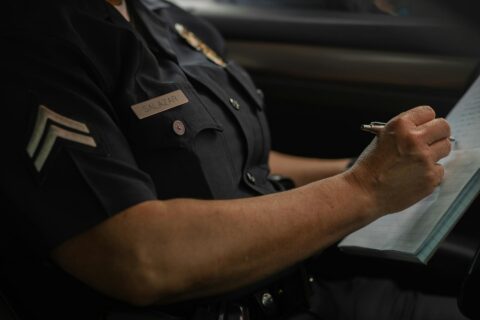
It’s rare that a police officer actually witnesses the crash. They generally show up later; after the damage is done and after the incident occurred. Using their own observations and the statements from other drivers, they create the report about what happened. However, we know that sometimes injuries are invisible or show up later – they’re not obvious when you’re at the scene.
Police aren’t witnesses and they’re not medical professionals either. They draft a report based on what they see, hear, and can conclude. These reports often include omissions and mistakes. Not intentionally but things can get overlooked.
Texas is a Fault State; Paperwork Doesn’t Prove Fault
Here in Texas fault is determined through what is called modified comparative fault. What this means is that if you were the victim, but you were found to be speeding (and the crash wouldn’t have occurred had you been driving the speed limit) you might be partially at fault. Suppose you’re found to be 20% at fault, the insurance company can reduce your payout accordingly. If the other driver’s fault drops below 51%, you might not have a case.
Even if the police report shows contributing factors, note that you are 0% at fault, and determine you are indeed the victim, the insurance adjusters will conduct their own investigations looking at:
- Vehicle Damage
- Black Box Data
- Surveillance Footage
- Medical Timelines
- Prior Medical History
- Driver Statements
The police report can suggest fault, but when it comes down to receiving justice and compensation, fault is determined by admissible evidence and not the officer’s opinion.
What You Need to Win a Texas Car Wreck Case
This all sounds pretty doom and gloom. But it’s not quite as bad as it sounds. The key to being compensated fairly is to know your rights, and know what needs to be done before the accident occurs. Powerful evidence includes:
- Immediate medical documentation
- Expert medical opinions
- Accident reconstruction
- Consistent medical treatment
- Wage loss documentation
- Lifestyle disruption reports
You still want that police report to help build the foundation. But what’s really going to find you the justice you deserve is building the evidence that shows you truly are the victim, and using a professional car wreck lawyer based in Richardson, Texas.
Herbert Law Group Wins Texas Car Wreck Cases
We deal with insurance companies every single day. We know their tactics, their tricks, and how they attempt to diminish your claim.
We represent you against their teams of powerful attorneys to show that you need to be compensated adequately, and we aren’t afraid to take things to court if they won’t play nice.
All that we need from you, to get things started, is a free phone call. Just dial 214-414-3808, or fill out the contact form and we’ll reach out to you, and we’ll have a conversation and determine just how we can help.