
Concussions After Motorcycle Accidents are Common
Wearing your helmet when riding is a highly effective way to prevent major injuries and death. However, a helmet is designed to help prevent skull fractures and fatal brain injuries; it helps reduce the risk of concussion, but it doesn’t eliminate it. In fact, after a motorcycle wreck, even when the rider was wearing a helmet, a concussion is still incredibly common.
There is, however, a bit of a gap in injury and treatment when it comes to motorcycle accidents, brain scans, and concussions. Too often it leaves the rider with the false idea that everything is fine and normal, when there has been damage that needs to be addressed. The Car Crash Captain looks into what the brain scan doesn’t tell you about concussions after a Texas motorcycle accident.
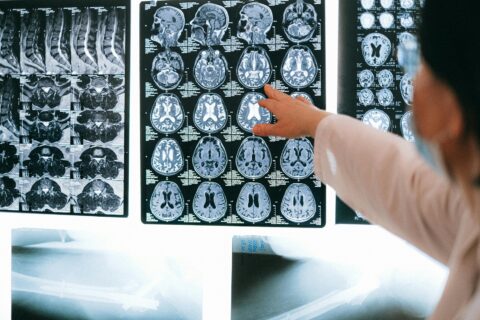
A Normal CT Brain Scan Doesn’t Mean a Normal Brain
Here’s the situation. You’re involved in a motorcycle accident, and you were wearing your helmet. You hit your head quite hard on the pavement, and the doctor orders a CT scan. The scan comes back, and everything looks just fine. The problem is, however, you don’t feel “just fine.” You know something is off.
CT scans are great for detecting issues in the brain. And when you have bleeding or structural damage, they can show exactly what’s going on, and how severe the issues are. If damage or bleeding isn’t fixed right away, it can lead to major issues, and most likely death.
Concussions aren’t structural injuries; they’re functional ones.
A functional injury is when there is disruption between brain cells. The microscopic neurons aren’t firing quite right, and that won’t show up on a brain scan. Concussions, will still disrupt your life, and you deserve compensation even when the CT scan looks clear.
A Realistic Recovery Timeline
Most mild TBIs will improve within 2-4 weeks. That doesn’t mean all of them will clear up in that time period. In fact, some can last several months and longer. And that’s because post-concussion syndrome (PCS) is a real thing, and quite well documented. Without getting into it too deeply, PCS is when the concussions symptoms linger for far longer than one would expect.
Even at the time of injury, symptoms are delayed. Inflammation doesn’t set on instantly. We know that from just about any injury – there’s that sharp, acute pain at the time, but later that’s a dull and throbbing pain.
With a brain injury, it’s even worse. Cognitive fatigue sets in, emotional symptoms can creep up, and what seemed fine initially now has severe symptoms.
Wait, cognitive fatigue? Yes, it’s a real thing, and it’s not just stress. It shows up as memory lapses, slower processing speed, sensitivity to light and noise, and executive dysfunction (difficulty making decisions). It can linger for a long time, and often victims don’t even realize it’s an injury that they should be compensated for.
Invisible Injuries are Undervalued by Adjusters
Insurance adjusters focus on the visible factors. How much will it cost to replace the motorcycle, how much did you lose in lost wages, how much were the medical bills, and so on. They even prioritize what they can see – including brain scan images (that as we know don’t show the entire picture). What they minimize are those invisible injuries.
And they certainly don’t take into account that your recovery likely won’t look like other recoveries. They believe a mild concussion should heal up in 2 weeks. But recovery time from a concussion includes:
- Age
- Prior concussions
- Severity of impact
- Access to rehab and treatment
- Medical history
Settling too early can minimize your compensation, and make you feel like justice wasn’t served.
Herbert Law Group Helps You Receive Justice
We are here to help you find justice. Our motorcycle accident lawyers know what to look for, how to push back against insurance companies, and we have a strong portfolio of clients we have helped.
In short: we know what to do, because we’ve done it a lot.
What we need is to get to know you. Call our Richardson, Texas law offices at 214-414-3808 and we’ll have a free conversation to determine how we’ll help. No time for a call right now? Fill out our contact form and we’ll reach out to you.